Section
Case studies
Anonymized patient stories showing how second-generation pharmacogenomic analysis explained what metabolism alone could not.
 Case studyCase Study 1: When “Normal” Drug Metabolism Did Not Explain Antidepressant FailureReason to come to PPI: Two antidepressants failed.
 Case studyCase Study 2: When Mood Improved but Motivation and Energy Did NotReason to come to PPI: The antidepressant helped the sadness—but the patient still did not feel like themselves.
 Case studyCase Study 3: When an SSRI Improved Mood but Increased AnxietyReason to come to PPI: The antidepressant was helping—but the patient felt increasingly anxious.
 Case studyCase Study 4: When an SSRI Helped Mood but Left the Patient Drained and UnmotivatedThe depression improved—but the patient still had no energy, drive or motivation.
 Case studyCase Study 5: Eight Years of Antidepressant Failure — Until the Treatment Strategy ChangedReason to come to PPI: The medications were being processed normally, but the patient's brain chemistry told a different story.
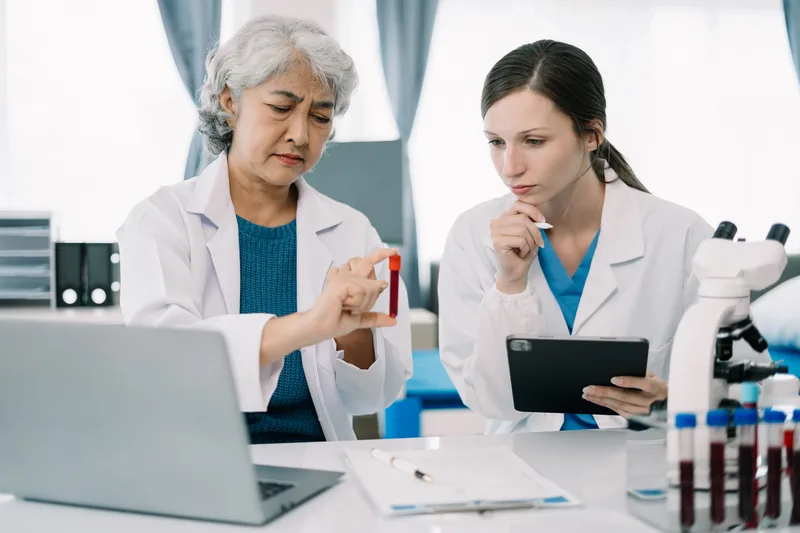 Case studyCase Study 6: When a Stimulant Improved Focus but Made Behaviour Much WorseReason to come to PPI: The ADHD medication helped attention—but anxiety, insomnia and agitation became overwhelming.
Earlier patient stories live in the case studies archive.